3E SECURITY
A mobile app (with a web back end Admin panel) to enable Security guards and Door staff to quickly take on flexible work without having to go through a recruitment agency.
Role
Product (UX/UI) Designer
Client
Ben Abolghasemi
Platform
Mobile & Web
Toolkit
Figma, Monday.com.
My role
Led an end-to-end design process from research to implementation, collaborating with Product manager, Graphic designer, QA engineer, Developers and managing client meetings.
Project kickoff
The project began with initial online meeting with client. We discussed the client aim and motivation behind the project and drafted the design brief.
Design brief
Closing the hiring gap between employees and employers completely. Currently, employers have to rely on agencies to recruit staff and the quality/fit for the role cannot be assessed beforehand. This process is time consuming, costlier and employer is completely dependent on agencies to find right security guard for the job.
A problem worth solving
Customer Insight
There are total 250,000 licensed door security staff in the UK
Client Insight
There are just under 100,000 venues in the United Kingdom.
Digitilisation
Many events and venues source their supervisors via third party agencies.
Market Size
Thre are 368,098 frontline SIA, 219,549 Door Supervisor and 46,892 CCTV licences currently held in UK.
Scalable access to global market
Can cover venues across US and European countries.
Proposed solution
A mobile app for Door supervisors and Security guards to access jobs without any third party intervention.
Security compliance checks to ensure staff are able to work.
User driven functionality over time.
Set the industry standard for finding venue security.
Offer flexible working solutions for part time door supervisors.
Add value venues ensuring there is always someone available for their needs.
Progress into different areas of the market to offer a 360 solution..
Market research
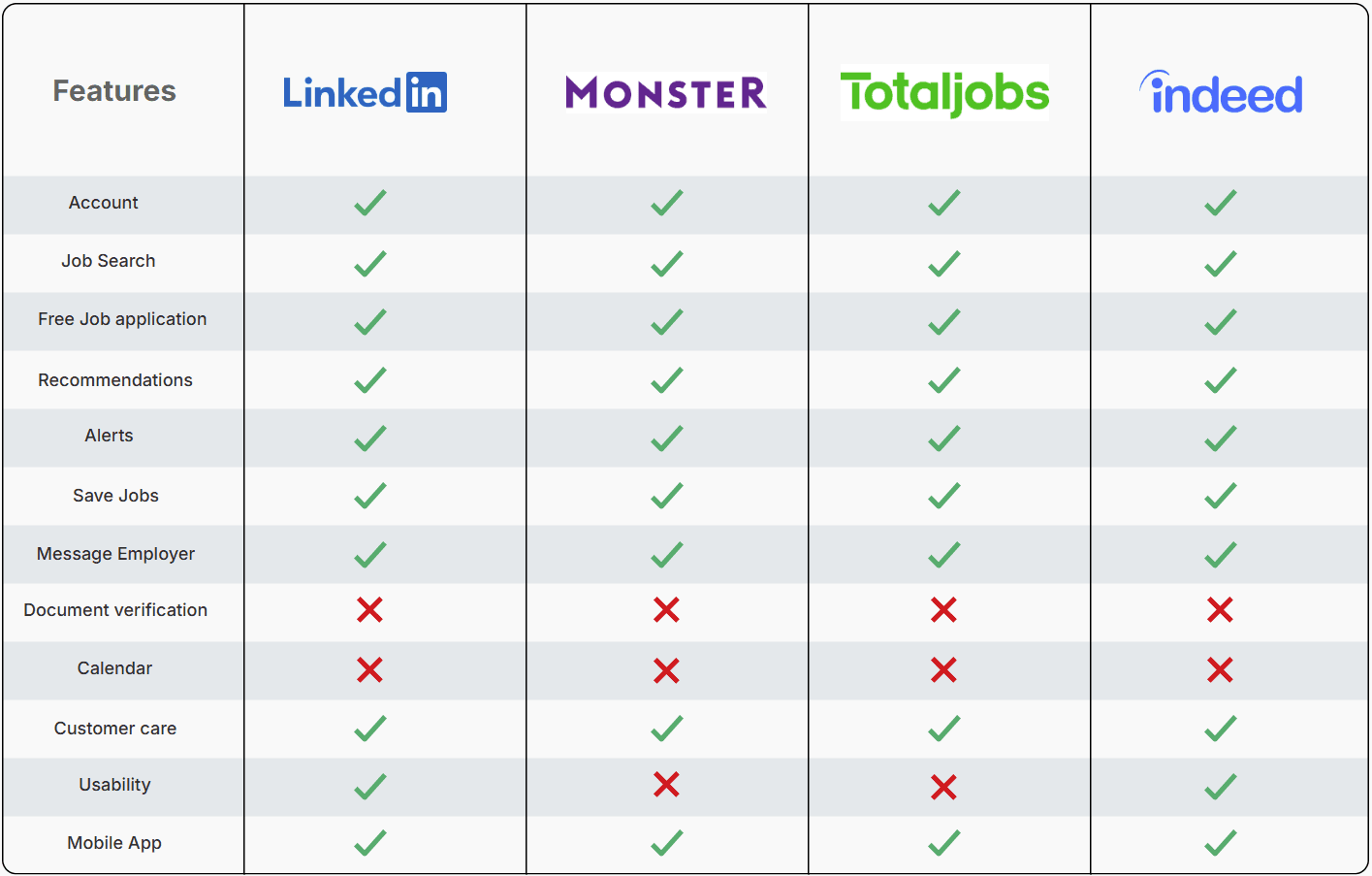
I carried out market research looking for a similar applications and compared 4 apps of which 2 of them were strong and did the analysis to get useful insights from it. I noted negative comments from users on Android and Playstore to get essence of what user struggle most while using them and what they are not keen to.
User personas
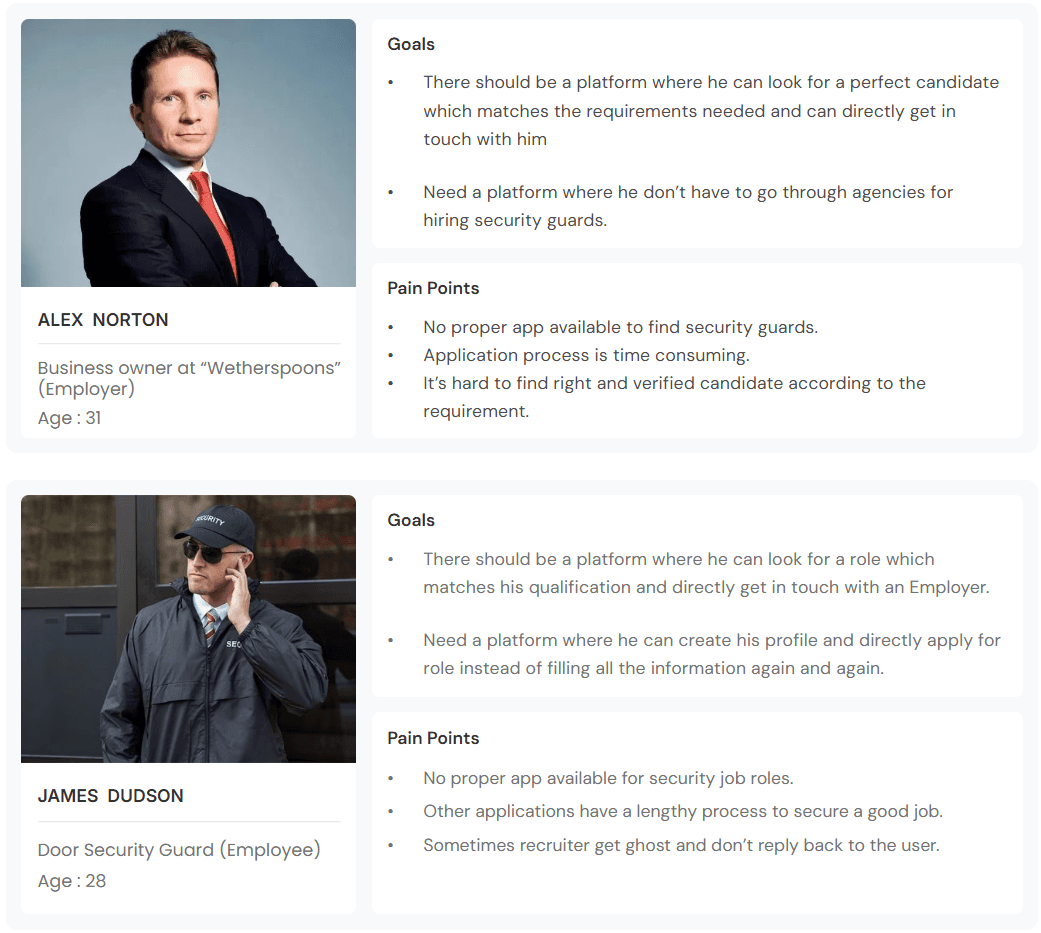
I created two different user personas one for Employer and one for Employee.

ALEX NORTON
Business owner at “Wetherspoons” (Employer)
Age : 31
Goals
There should be a platform where he can look for a perfect candidate which matches the requirements needed and can directly get in touch with him
Need a platform where he don’t have to go through agencies for hiring security guards.
Pain Points
No proper app available to find security guards.
Application process is time consuming.
It’s hard to find right and verified candidate according to the requirement.

James Dudson
Door Security Guard (Employee)
Age : 28
Goals
There should be a platform where he can look for a role which matches his qualification and directly get in touch with an Employer.
Need a platform where he can create his profile and directly apply for role instead of filling all the information again and again.
Pain Points
No proper app available for security job roles.
Other applications have a lengthy process to secure a good job.
Sometimes recruiter get ghost and don’t reply back to the user.
User Flows
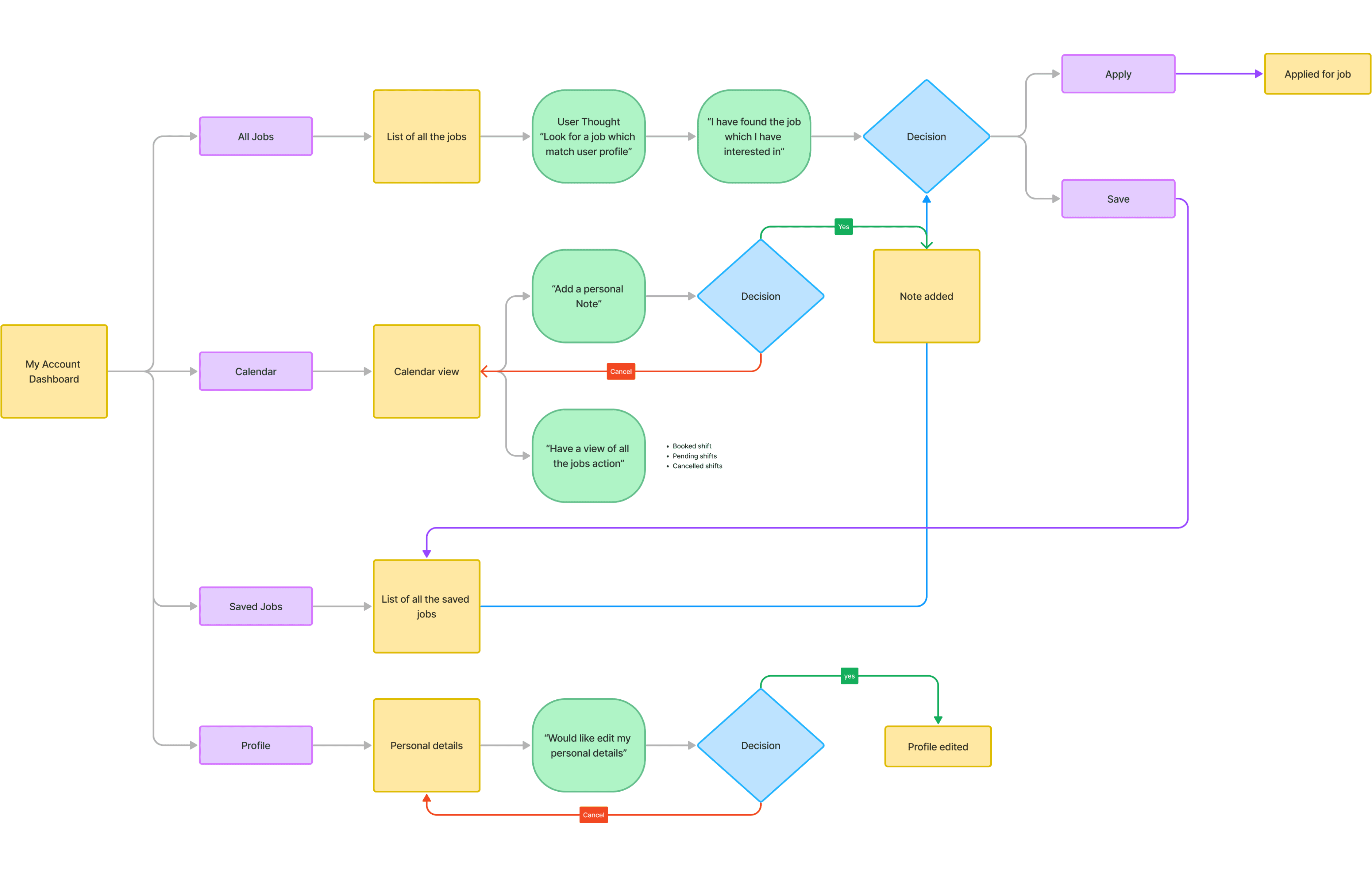
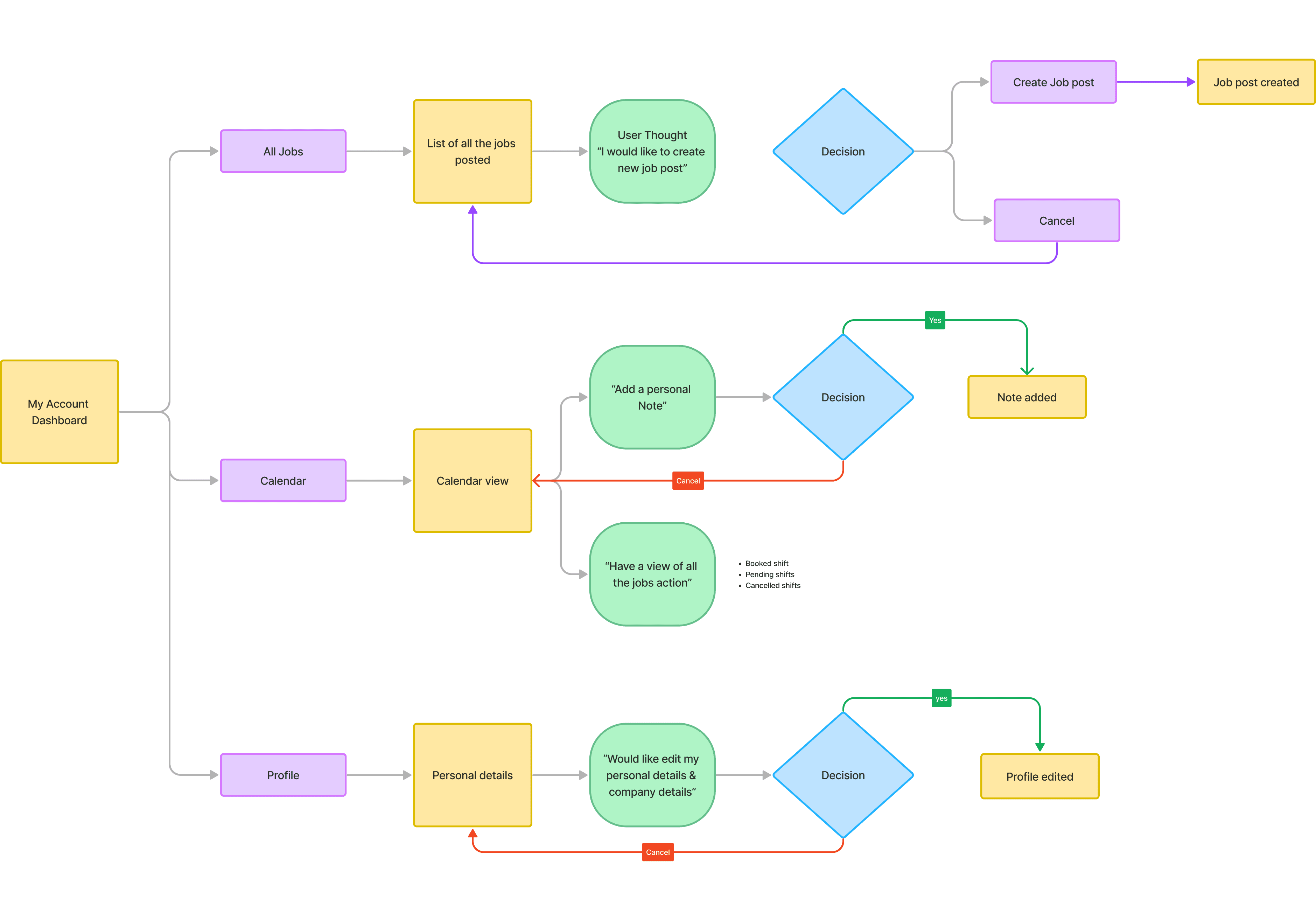
This user flows were made taking scenarios into consideration. Every flow demonstrates how user will navigate in a particular environment to complete his job.
User flow 1
User flow 2
Design phase
After successfully discussing every user flow with client and assuring that we have covered all the required information, the next step was to start design phase .
Wireframes
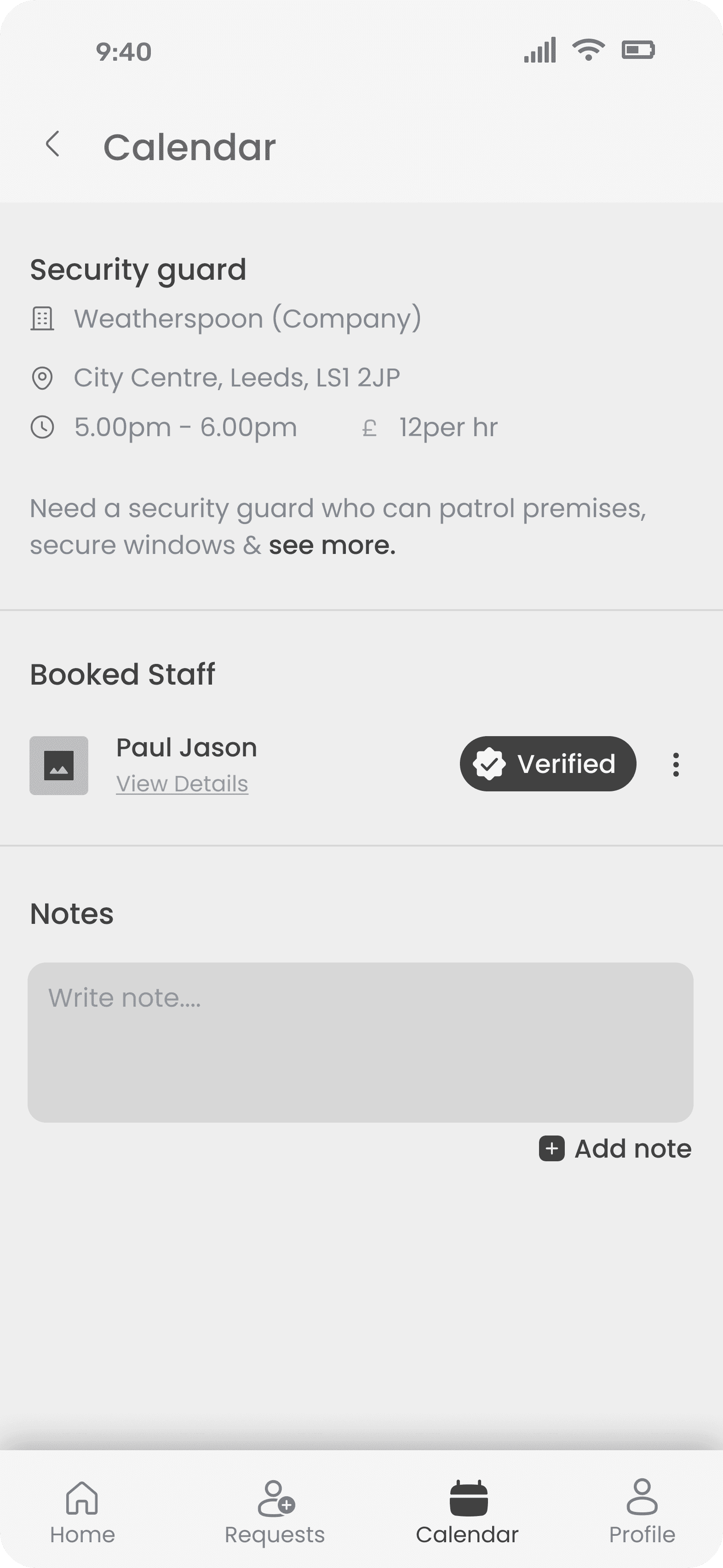
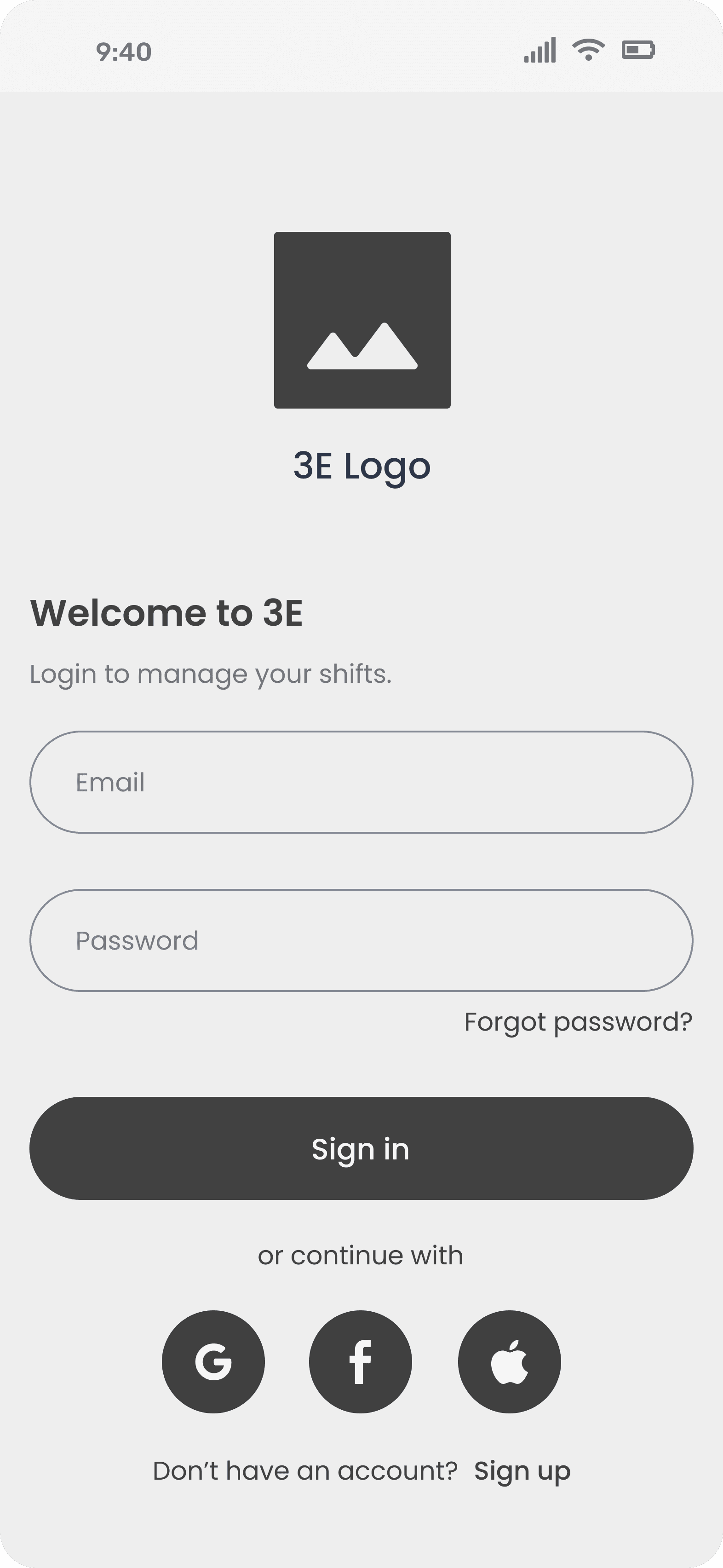
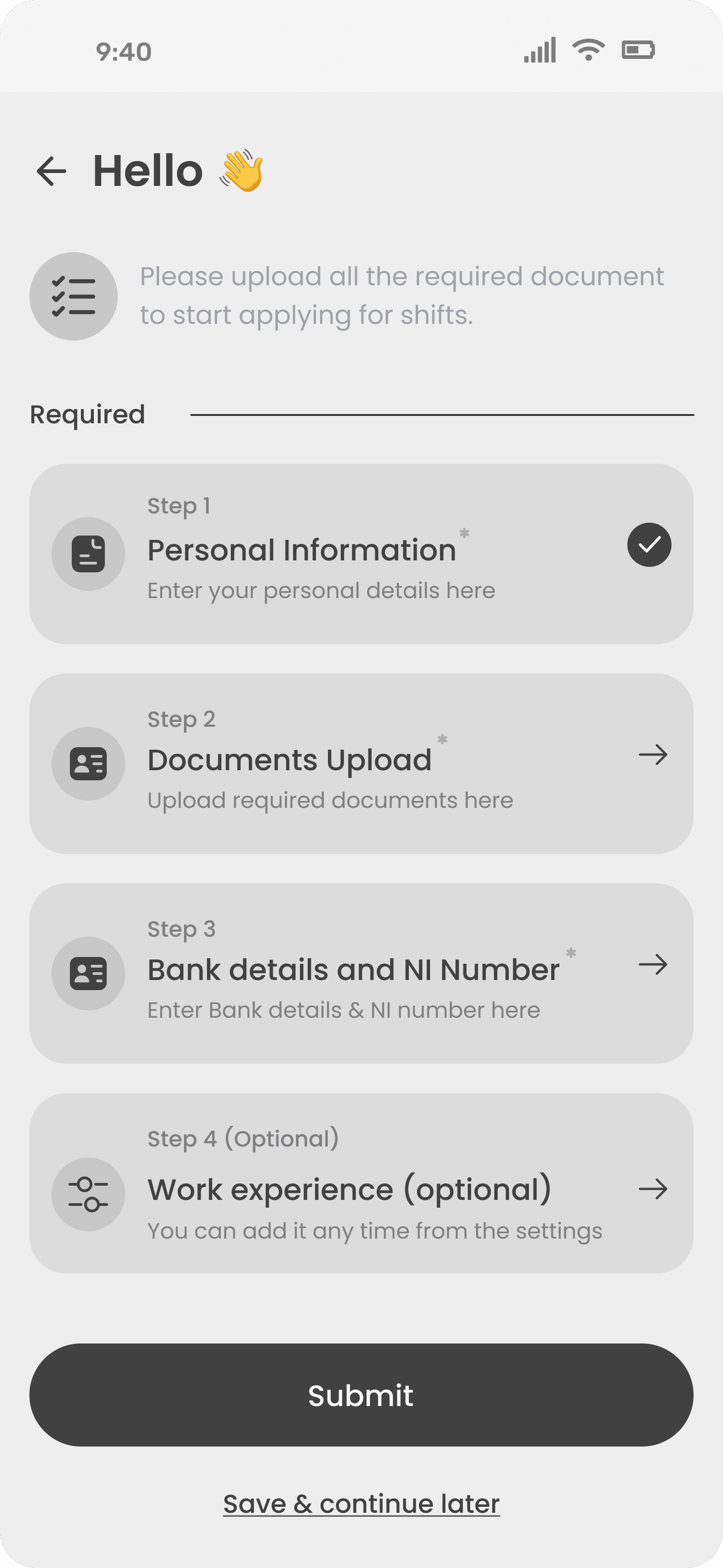
Design phase started with wireframes and exploring multiple solutions for both employer and employee. Wireframes were discussed with client & feedback was noted. Later changes were done according to the requirement.
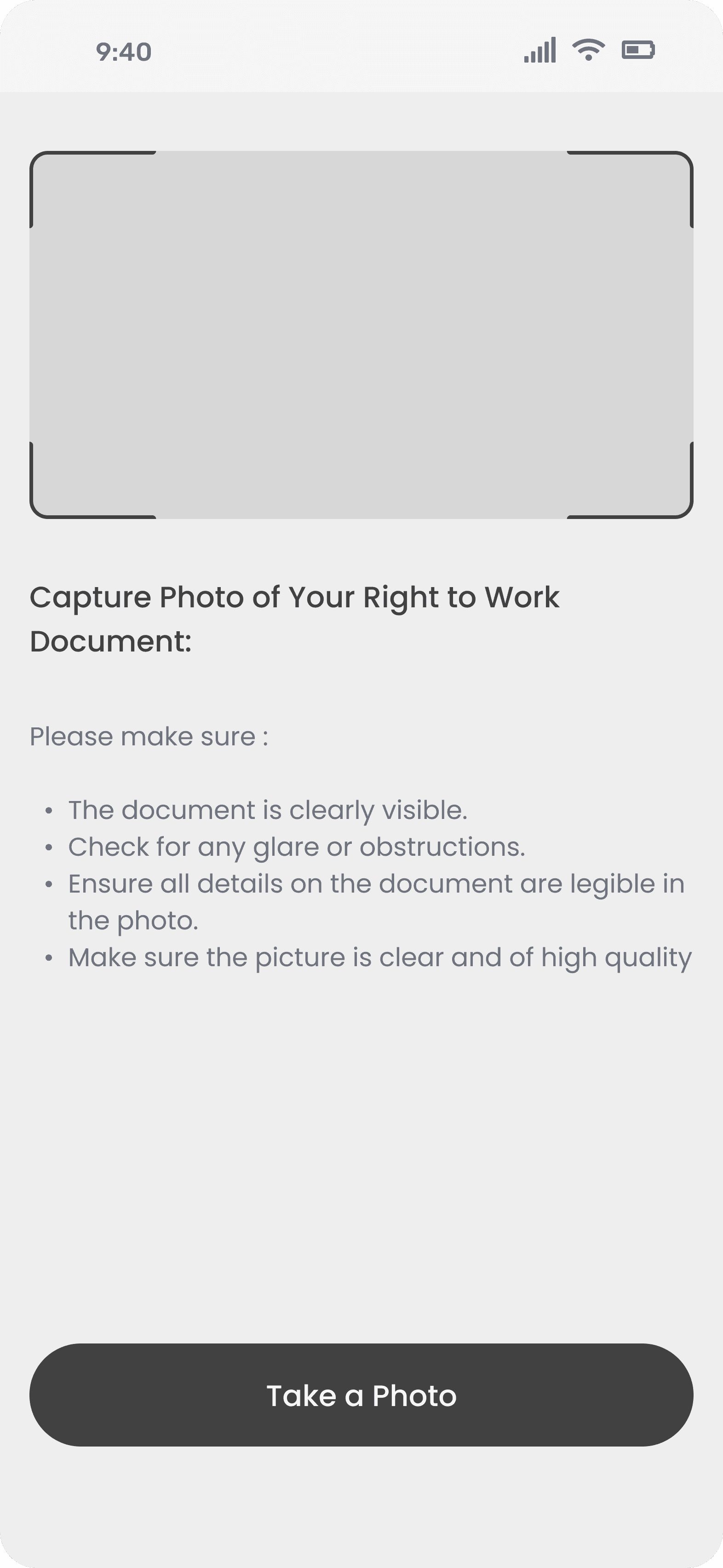
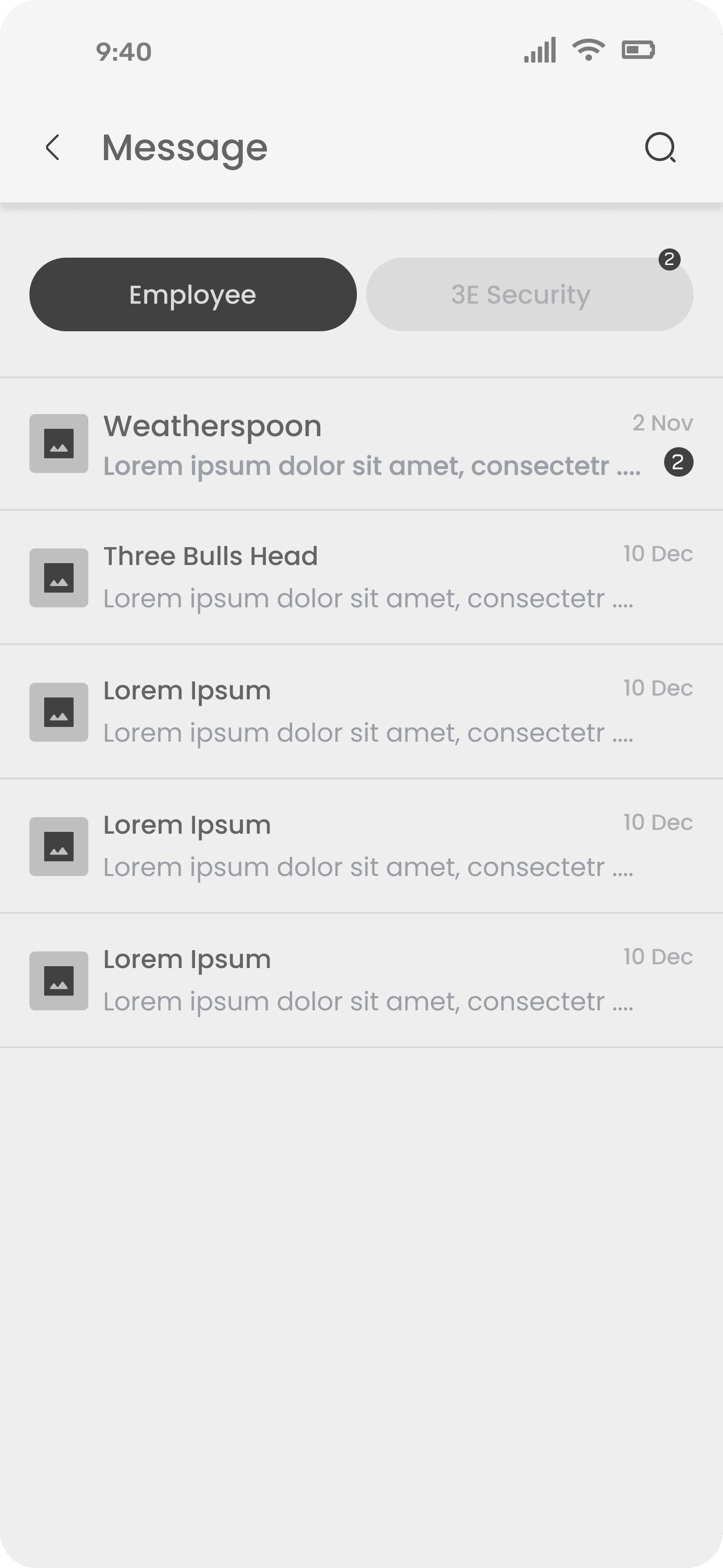
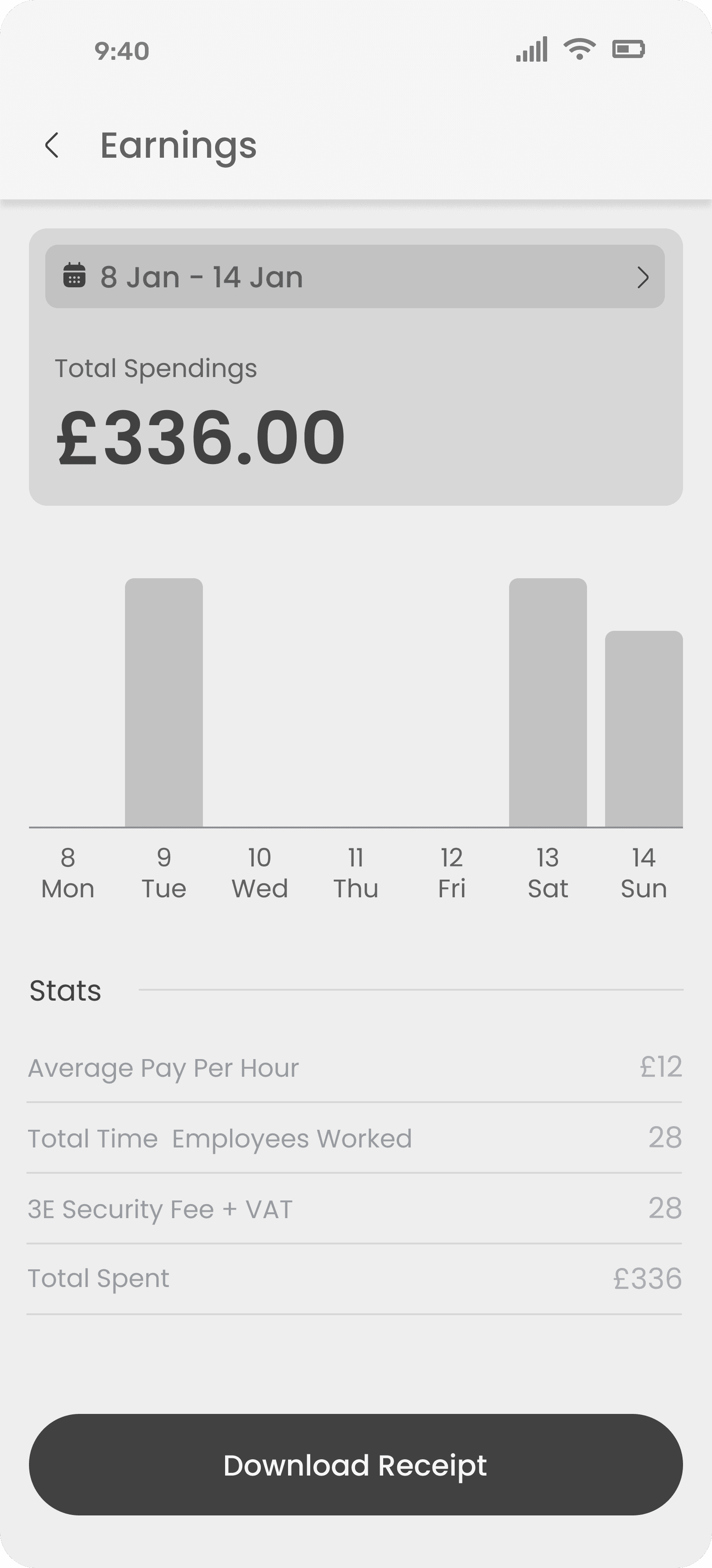
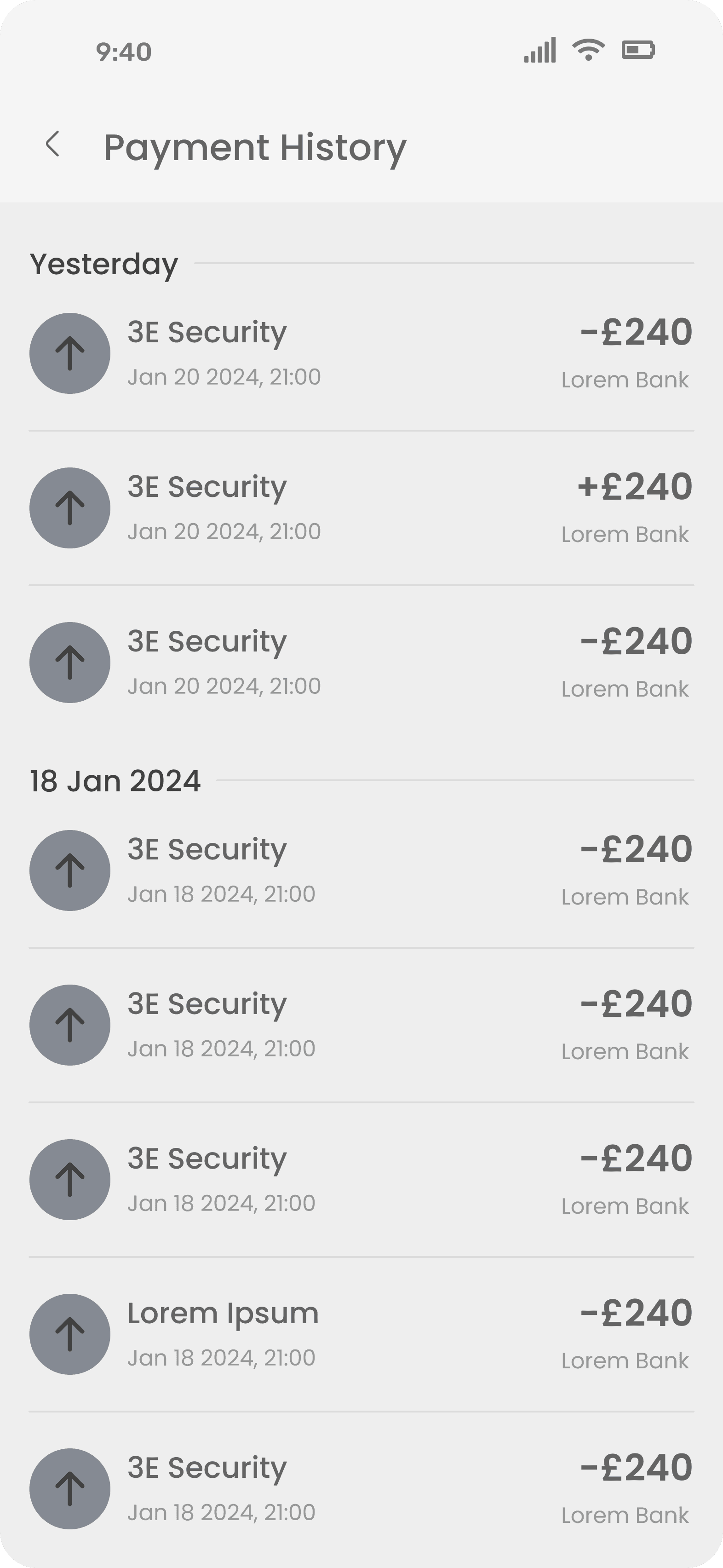
Visual design & branding
I created a colour palette and components library of header, tiles, footer, buttons icons etc. This helped me to keep design consistency across the product and increases design efficiency and speed.
Hi-fi designs
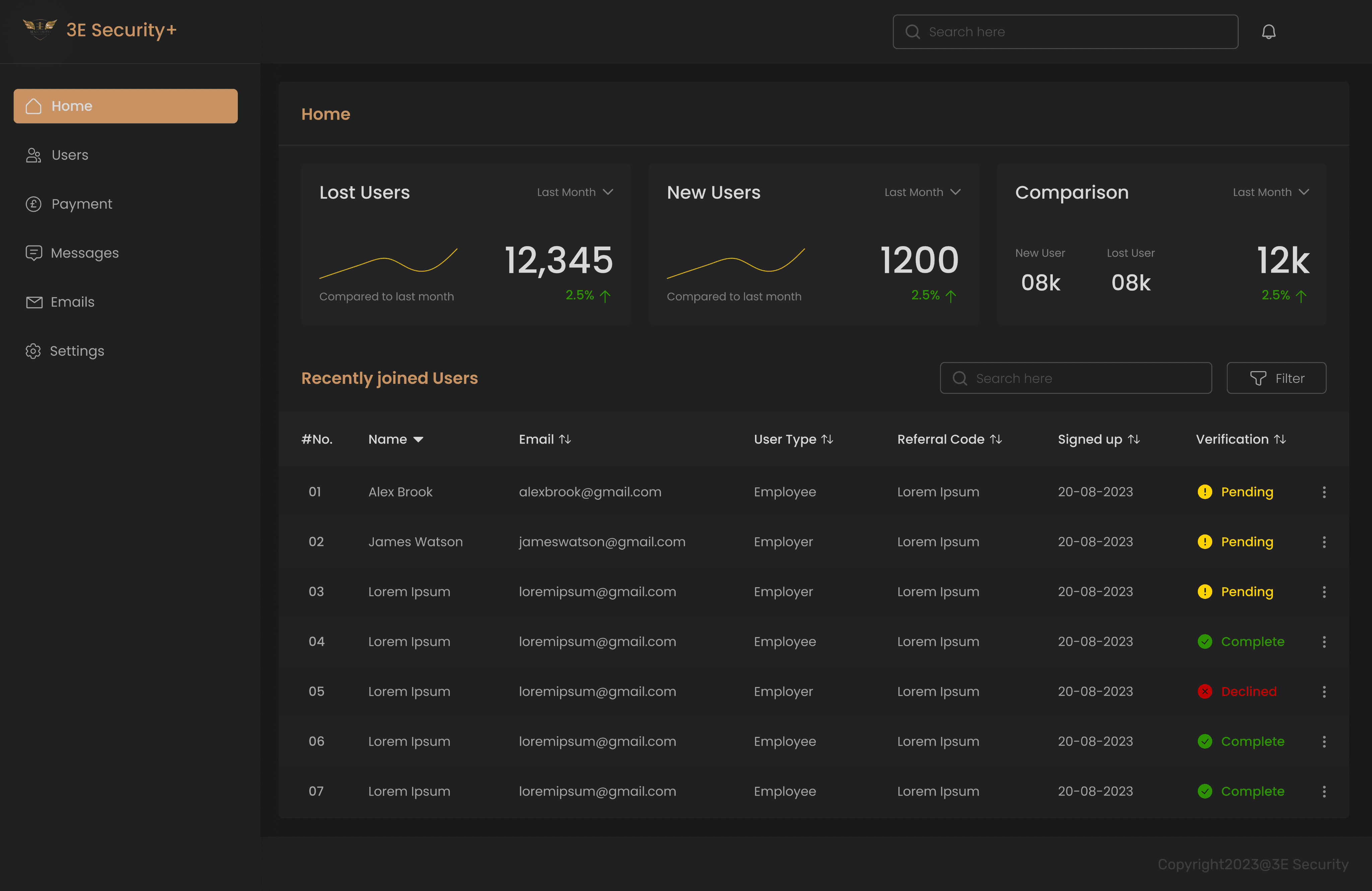
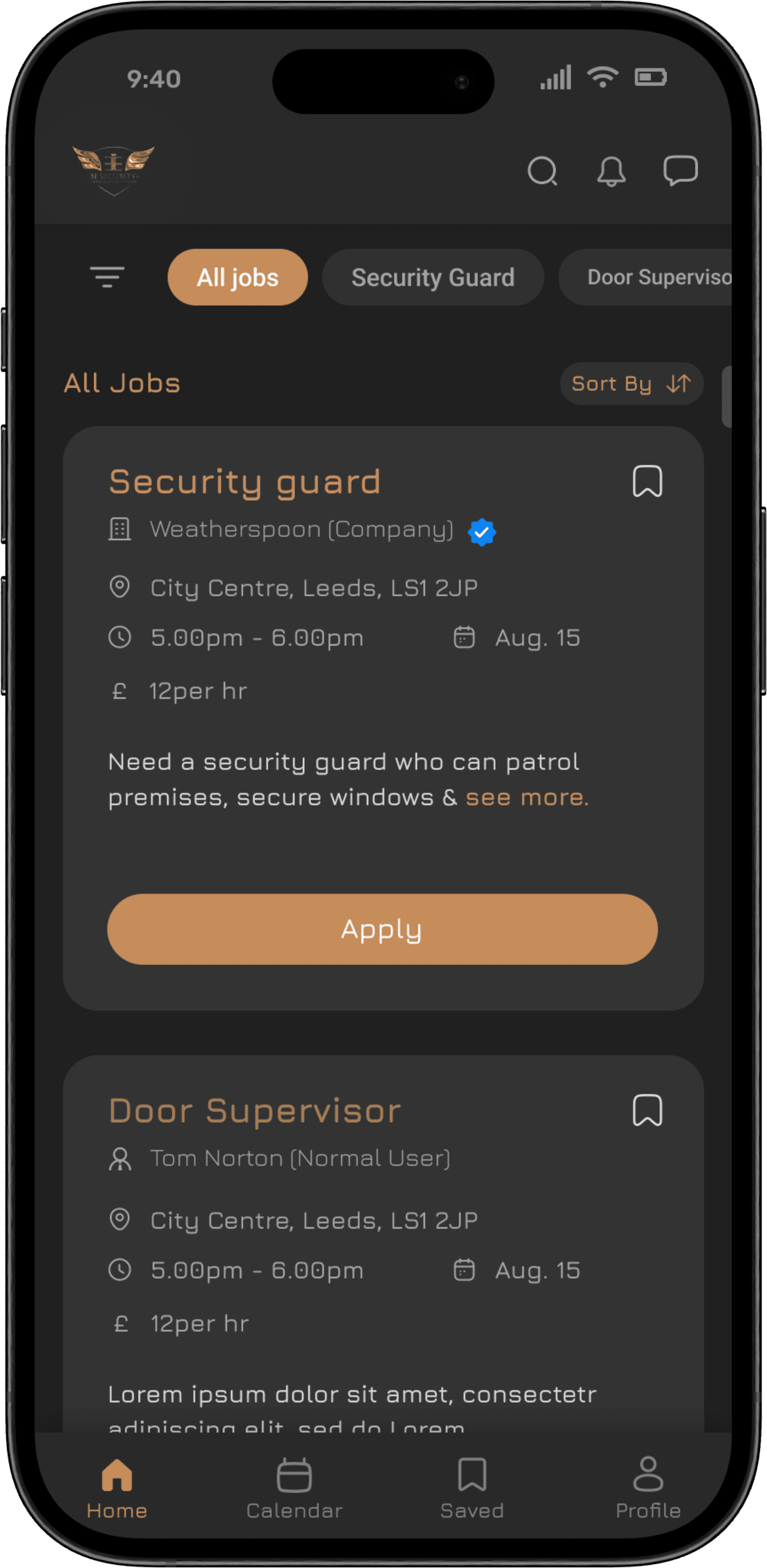
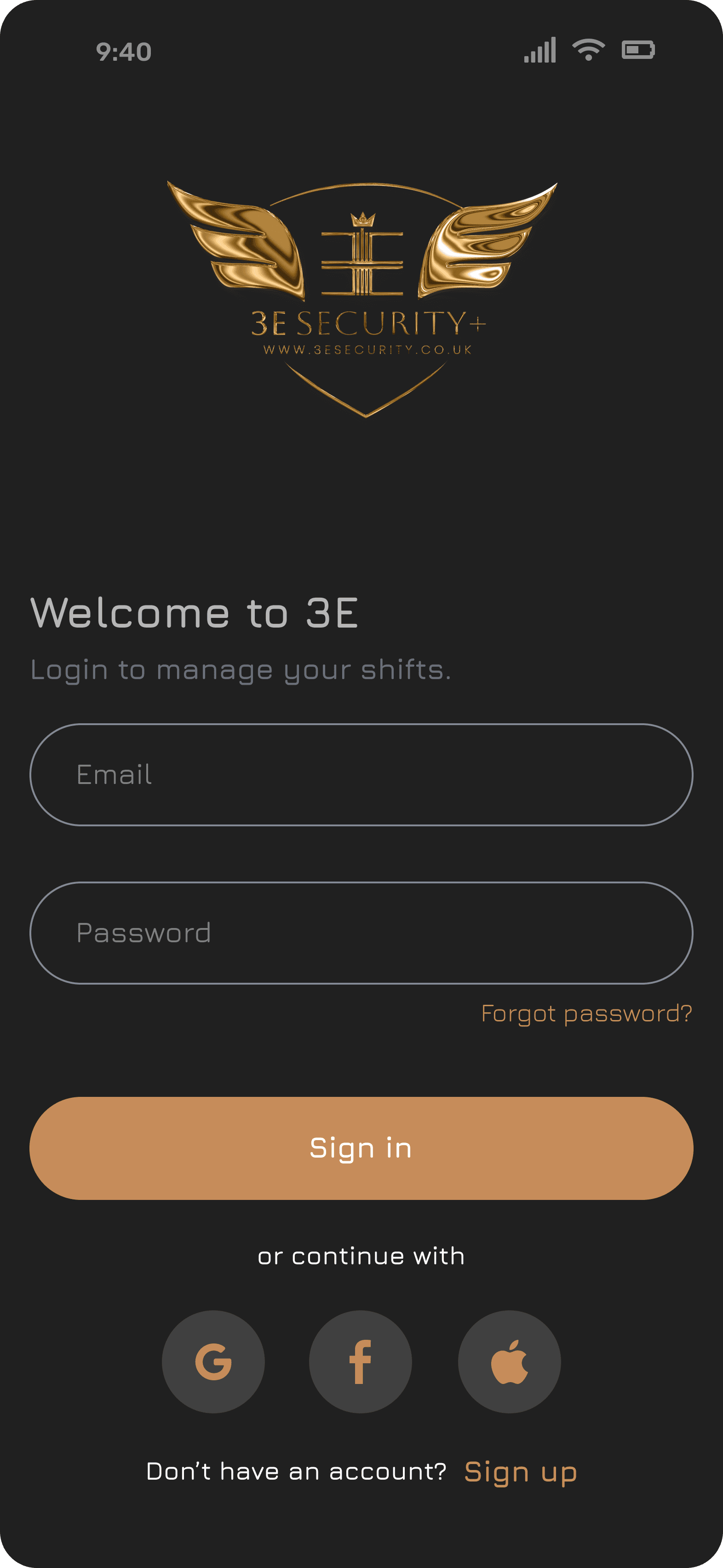
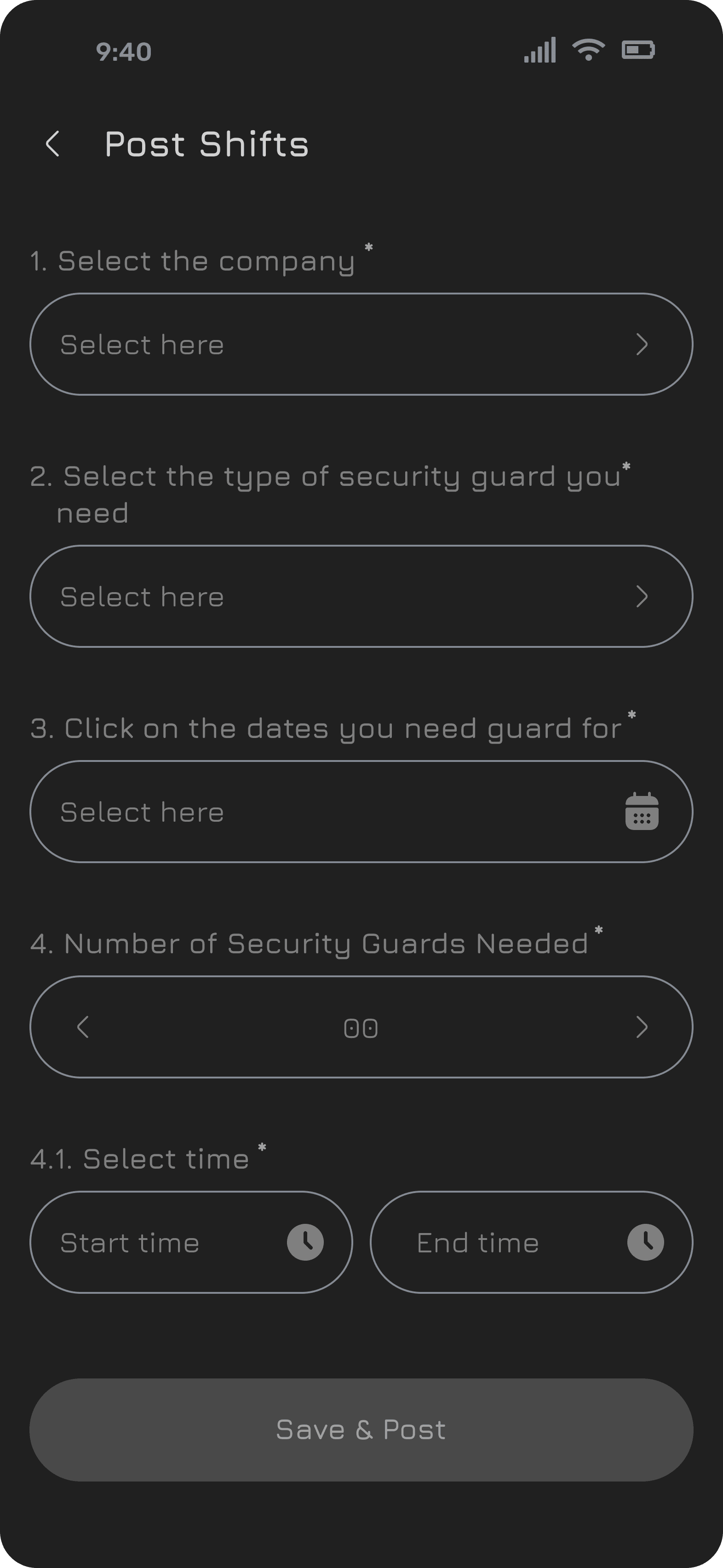
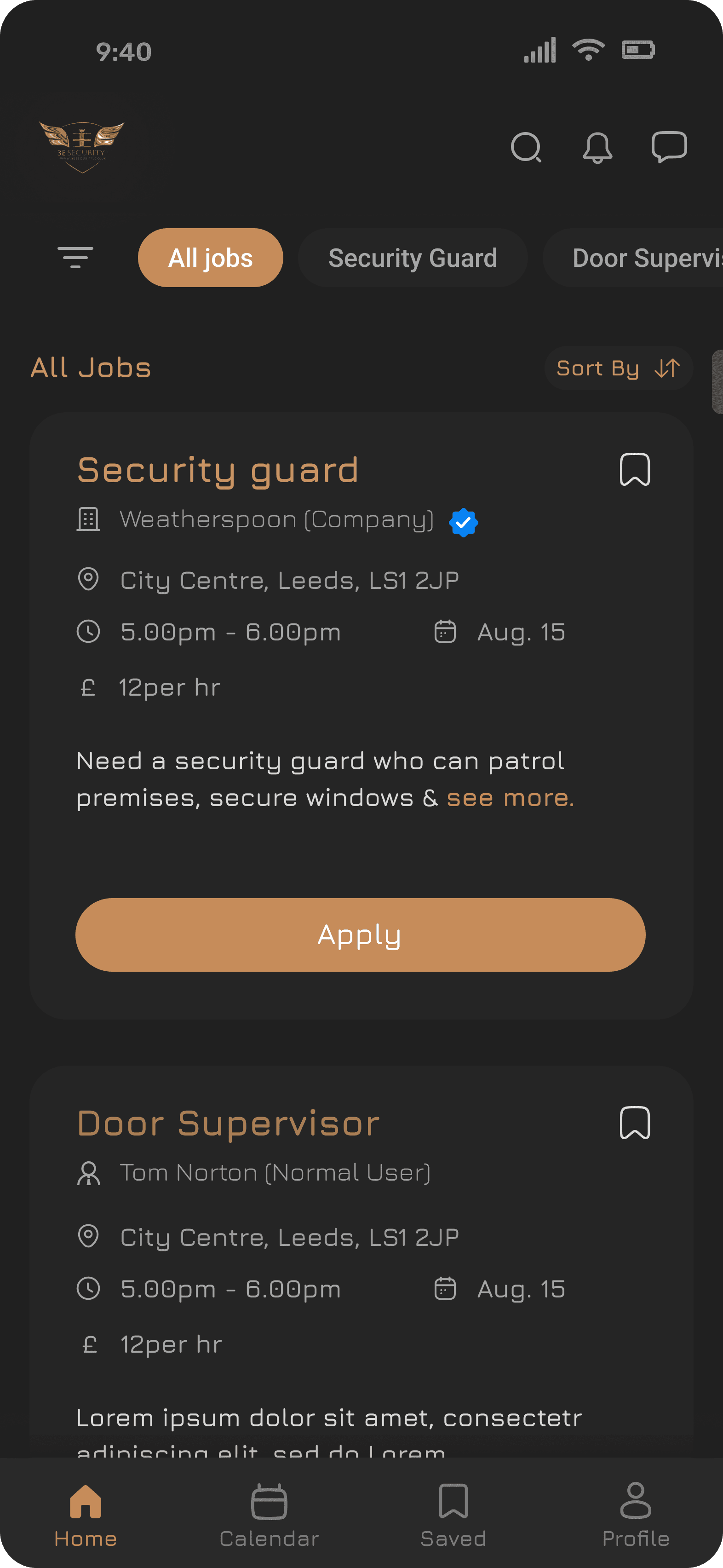
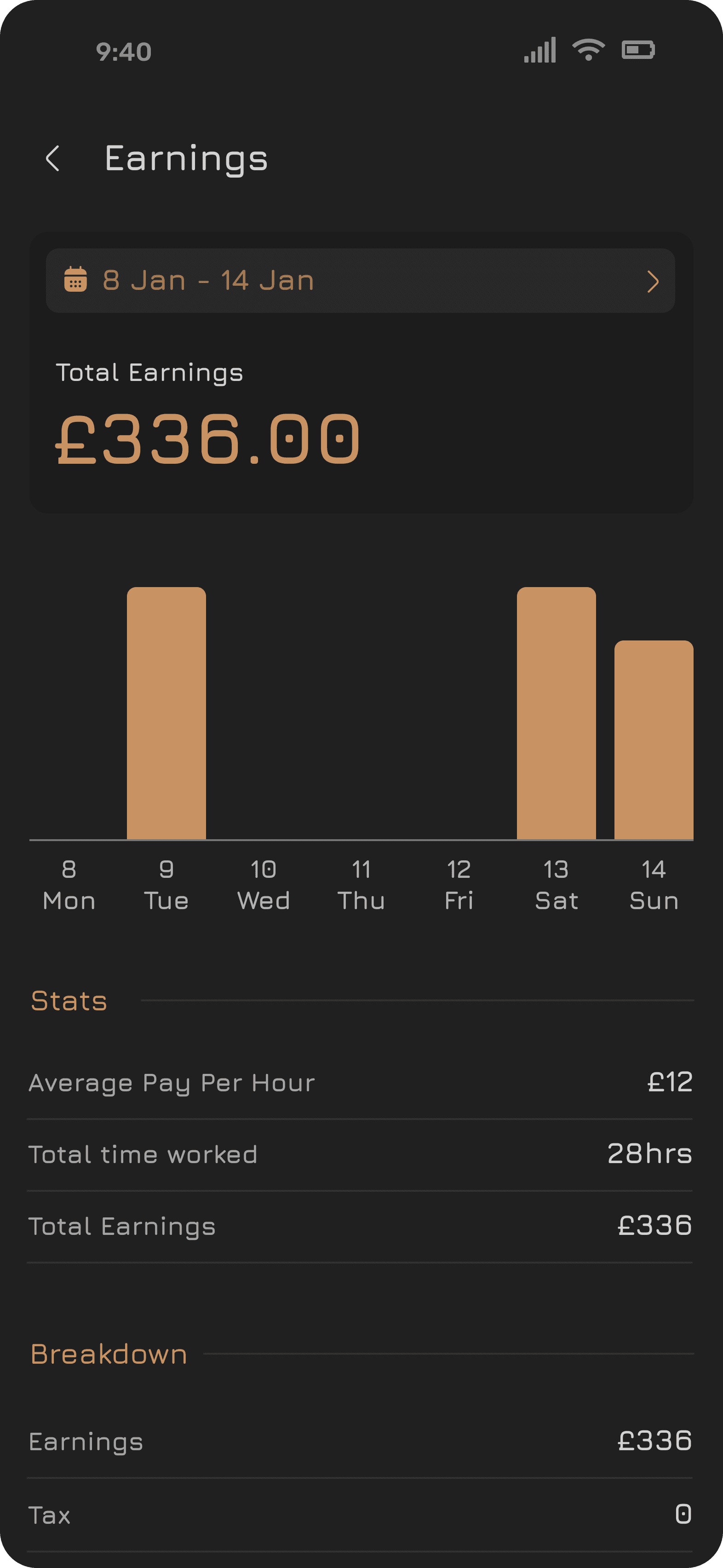
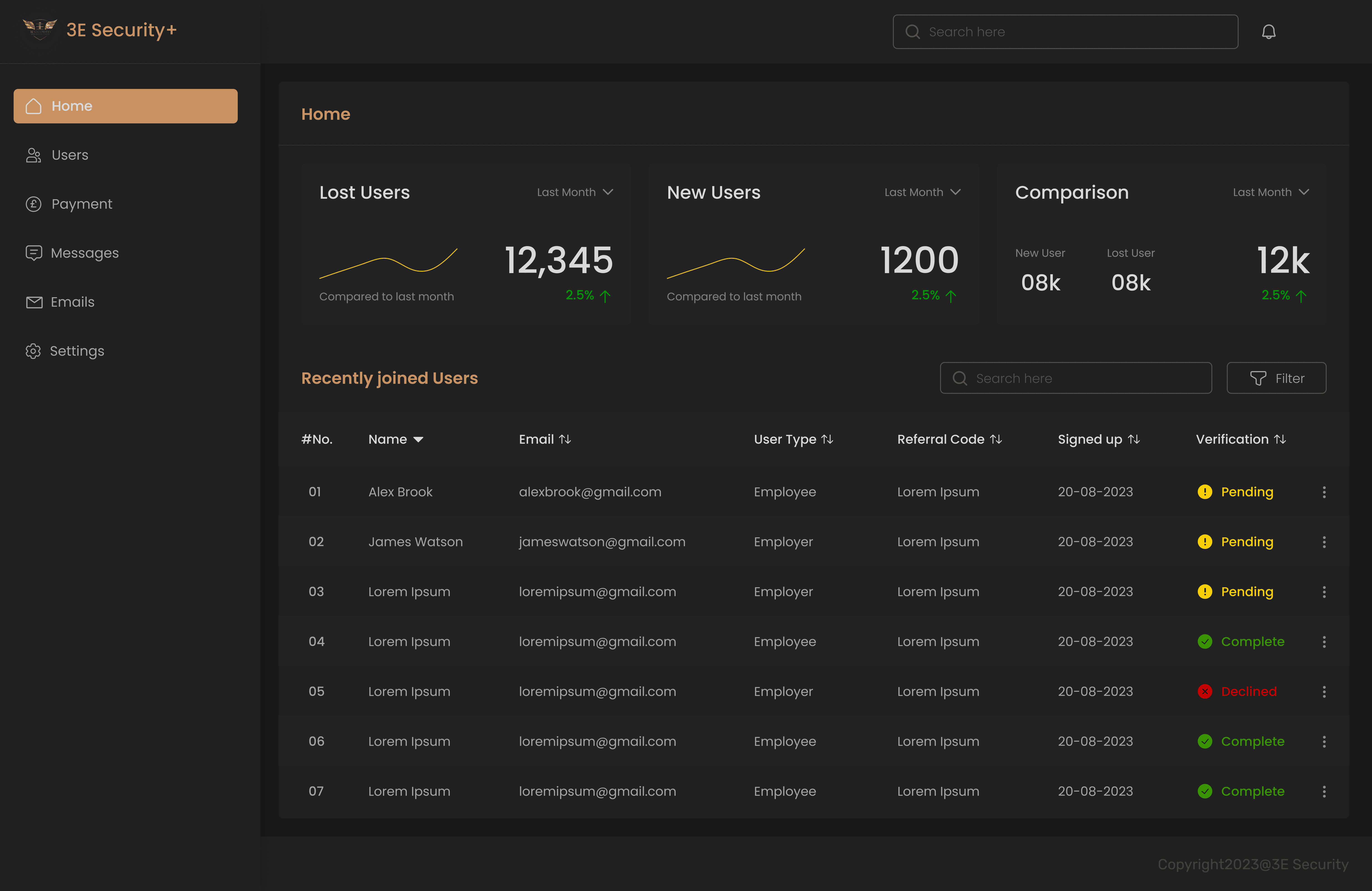
After successful session on wireframes, I started working on designing Hi-Fi designs. Hi-fi designs were created for employer, employee and back end admin panel for client. Below I have displayed key screen from employer side where employers can create and post job whereas on other end employee can see the job posted and apply for it. This way we successfully managed to remove any involvement of third party or any middle agency for hiring process.
QA Testing
Internal QA Testing
Internal product testing was done where we found out few of the features out of scope and discussed about it with client. Client understood and agreed to push those features in version 2.
Functionality wise we had covered all the key aspects in design and design was ready for dev handover.
Design Handover
The handover document was created with the recordings explaining each and every functionality in the flow. The prototype was also added which majorly helped in the handover meeting as it was easier to explain the process to the dev team.
A separate handover document was created with added annotations and explanation of each screen. The project handover was made in four phases covering all the core features of mobile app & Admin panel.
Key Takeaways
Challenges:
Maintaining platform-specific optimisations between the web backend and mobile app.
Managing feedback loops to address technical glitches and usability issues in a timely manner without interrupting operations.
Lesson learnt:
Importance of carrying out a comprehensive user research to understand the unique needs of multiple user group (security guards, clients).
Learning to accommodate diverse device preferences for users (e.g., mobile-first design for security guards, desktop-first for client).
Understanding of how designs should align with business priorities while also keeping it user oriented.
3E SECURITY
A mobile app (with a web back end Admin panel) to enable Security guards and Door staff to quickly take on flexible work without having to go through a recruitment agency.
Role
Product (UX/UI) Designer
Client
Ben Abolghasemi.
Platform
Mobile & Web
Toolkit
Figma, Monday.com.
My role
Led an end-to-end design process from research to implementation, collaborating with Product manager, Graphic designer, QA engineer, Developers and managing client meetings.
Design phase
After successfully discussing every user flow with client and assuring that we have covered all the required information, the next step was to start design phase .
Wireframes
Design phase started with wireframes and exploring multiple solutions for both employer and employee. Wireframes were discussed with client & feedback was noted. Later changes were done according to the requirement.
Visual design & branding
I created a colour palette and components library of header, tiles, footer, buttons icons etc. This helped me to keep design consistency across the product and increases design efficiency and speed.
Hi-fi designs
After successful session on wireframes, I started working on designing Hi-Fi designs. Hi-fi designs were created for employer, employee and back end admin panel for client. Below I have displayed key screen from employer side where employers can create and post job whereas on other end employee can see the job posted and apply for it. This way we successfully managed to remove any involvement of third party or any middle agency for hiring process.
Project kickoff
The project began with initial online meeting with client. We discussed the client aim and motivation behind the project and drafted the design brief.
Design brief
Closing the hiring gap between employees and employers completely. Currently, employers have to rely on agencies to recruit staff and the quality/fit for the role cannot be assessed beforehand. This process is time consuming, costlier and employer is completely dependent on agencies to find right security guard for the job
A problem worth solving
Customer Insight
There are total 250,000 licensed door security staff in the UK
Client Insight
There are just under 100,000 venues in the United Kingdom.
Digitilisation
Many events and venues source their supervisors via third party agencies.
Market Size
Thre are 368,098 frontline SIA, 219,549 Door Supervisor and 46,892 CCTV licences currently held in UK.
Scalable access to global market
Can cover venues across US and European countries.
Proposed solution
A mobile app for Door supervisors and Security guards to access jobs without any third party intervention.
Security compliance checks to ensure staff are able to work.
User driven functionality over time.
Set the industry standard for finding venue security.
Offer flexible working solutions for part time door supervisors.
Add value venues ensuring there is always someone available for their needs.
Progress into different areas of the market to offer a 360 solution..
Market research
I carried out market research looking for a similar applications and compared 4 apps of which 2 of them were strong and did the analysis to get useful insights from it. I noted negative comments from users on Android and Playstore to get essence of what user struggle most while using them and what they are not keen to.
User personas
I created two different user personas one for Employer and one for Employee.
User flows
This user flows were made taking scenarios into consideration. Every flow demonstrates how user will navigate in a particular environment to complete his job.
Internal QA testing
Internal product testing was done where we found out few of the features out of scope. It was not a major deal as client agreed to push those features in version 2.
Functionality wise we had covered all the key aspects in design and design was ready for dev handover.
Design handover
The handover document was created with the recordings explaining each and every functionality in the flow. The prototype was also added which majorly helped in the handover meeting as it was easier to explain the process to the dev team.
A separate handover document was created with added annotations and explanation of each flow describing functionality of every screen.
Key takeaways
Importance of carrying out a comprehensive user research to understand the unique needs of multiple user group (security guards, clients).
Learning to accommodate diverse device preferences for users (e.g., mobile-first design for security guards, desktop-first for client).
Understanding of how designs should align with business priorities while also keeping it user oriented.
designwithyuvraj@2025
designwithyuvraj@2025